
NEW TRUCKING COMPANY? Pay-by-the-Mile Insurance Program
Box Truck Insurance for Small Business
If you operate a box truck—whether as an independent owner-operator, a delivery contractor, or the head of a small fleet—protecting your business starts with the right box truck insurance. Accidents, vandalism, cargo damage, and lawsuits can devastate your bottom line if you're not covered.
Whether you’re hauling appliances across town or managing local routes for a trucking company, having proper insurance coverage is essential. At Truck Insurance Helpers, we help truck drivers, truckers, and business owners secure customized coverage that meets FMCSA compliance standards and shields them from costly risks.
What Is Box Truck Insurance?
Box truck insurance—also known as commercial box truck insurance—is a form of commercial truck insurance designed specifically for straight trucks, delivery vans, and cube trucks. These vehicles are often used for short-haul or regional operations, making them a vital part of the U.S. trucking industry.
This type of policy protects your vehicle, your cargo, and your business from accidents and legal claims. Unlike car insurance, commercial auto insurance and commercial truck insurance are built to handle the added risks of operating a business on the road, such as carrying high-value cargo or multiple stops in urban areas.
Whether you run one truck or several, you’ll need more than just a basic policy—you’ll need a plan tailored to your type of business, type of cargo, and daily operations.
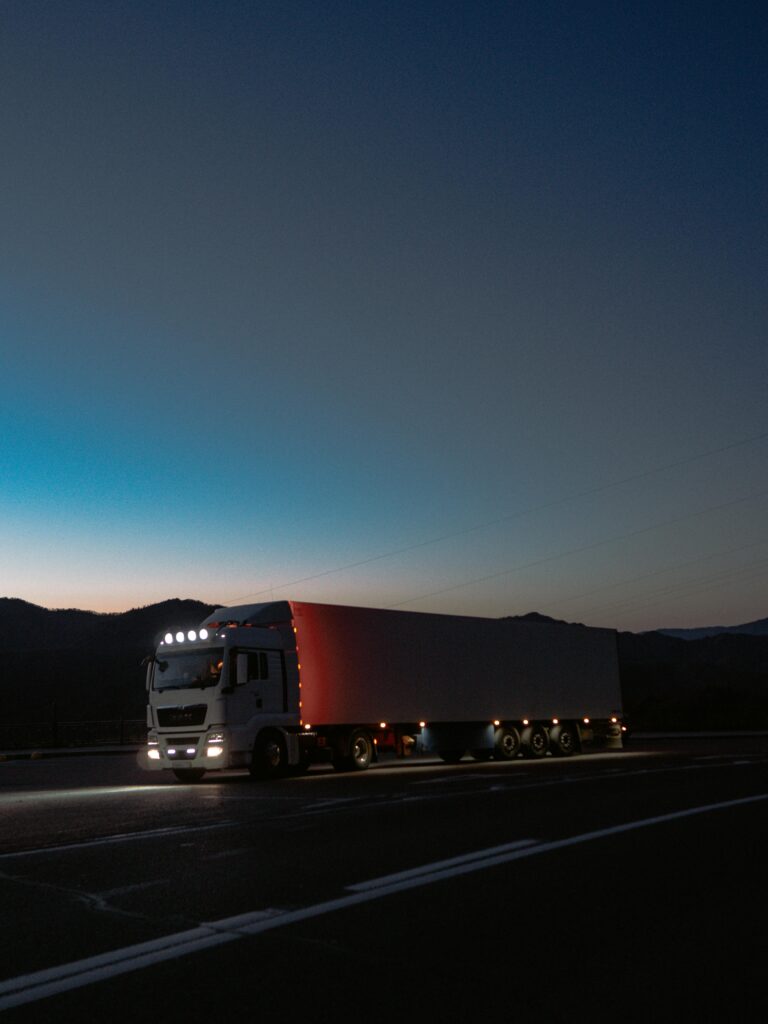
What Does Box Truck Insurance Cover?
A solid box truck insurance policy includes multiple layers of protection. Here are the core components:
1. Liability Insurance
Required by law in most states, liability insurance covers bodily injury and property damage to others if you’re at fault in an accident.
Bodily Injury: Covers medical bills, lost wages, and legal costs if someone is injured.
Property Damage: Pays for damage to other vehicles, buildings, fences, or road signs.
2. Physical Damage Coverage
Protects your box truck itself, whether you’re at fault or not.
Collision Coverage: Covers repairs or replacement after an accident.
Comprehensive Coverage: Pays for non-collision events like theft, fire, weather, or vandalism.
Non-Collision: Includes incidents like falling objects or hitting an animal.
3. Cargo Insurance
If your cargo is lost or damaged during transit, cargo insurance helps reimburse you or your clients. Especially important if you’re hauling electronics, food, furniture, or other high-value goods.
4. General Liability
Covers accidents that occur off-road—such as at a loading dock, warehouse, or customer location.
5. Non-Trucking Liability
Covers your vehicle when it’s being used for non-business purposes.
6. Medical Payments & Uninsured Motorist Coverage
Helps cover medical expenses if you or your passengers are injured—regardless of who is at fault. Also protects you from losses caused by uninsured or underinsured motorists.
7. Workers’ Compensation
If you hire drivers or helpers, workers’ compensation can cover their medical bills and lost wages after an on-the-job injury.
Customizing Your Policy
Your box truck operation is unique—your insurance policy should be too. Policies can be tailored based on:
Type of cargo: Perishables, furniture, hazardous materials, etc.
Driving routes: Urban vs. rural, long-haul vs. local.
Ownership structure: Owner-operator, leased driver, or fleet owner.
Business type: Moving company, appliance delivery, last-mile logistics.
You can also choose from coverage options like:
High or low deductibles
Increased coverage limits
Optional additional coverage like downtime loss, trailer interchange, or hired auto coverage
A qualified insurance agent will help you compare insurance options across various insurance companies to find the best fit.
What Affects Your Box Truck Insurance Cost?
Several factors influence your box truck insurance cost and insurance rates. Insurance providers use underwriting guidelines to evaluate risk and determine pricing.
Driving records and driving history
Vehicle type and age (straight trucks, cargo vans, etc.)
Types of cargo being hauled
Operating area and frequency
History of claims or insurance needs
Number of drivers on the policy
Selected coverage limits and deductibles
The more risk your operation presents, the higher your insurance premiums will be. Conversely, clean records and experience in the trucking industry can help reduce costs.
Regulations from the FMCSA may also influence what minimum coverages you’re required to carry, especially if you’re crossing state lines or hauling for hire.
- Driving records and driving history
Vehicle type and age (straight trucks, cargo vans, etc.)
Types of cargo being hauled
Operating area and frequency
History of claims or insurance needs
Number of drivers on the policy
Selected coverage limits and deductibles
The more risk your operation presents, the higher your insurance premiums will be. Conversely, clean records and experience in the trucking industry can help reduce costs.
Regulations from the FMCSA may also influence what minimum coverages you’re required to carry, especially if you’re crossing state lines or hauling for hire.
Types of Commercial Auto Coverage
Diminished Value Insurance Coverage
Diminished Value Coverage accounts for the actual or perceived loss in market value or resale value of a car that was in an accident.
Truck Cargo
In many cases, the most valuable asset in your business is the cargo you haul. Truck Cargo coverage insures the contents of the trailer and much more so you are not liable for damages.
On-Hook Towing Insurance Coverage
On-Hook Towing Insurance Coverage pays for damages to a vehicle, such as fire or collision, while the car is in tow.
Garagekeepers Insurance Coverage
Garagekeeper coverage protects tow truck drivers against things like fire, theft, vandalism, or a collision with a vehicle they are towing.